The Entabi PD Pack brings a surgeon’s perspective to peritoneal dialysis catheter insertion. We bring clinicians, educators, and research partners together to evaluate device design, training, and implementation across different clinical settings.
PHYSICIAN-FOUNDEDPD ACCESS · CLINICAL EDUCATIONTULARE, CALIFORNIA · GLOBAL CONVERSATIONS
OUR PRIMARY FOCUS
A considered approach to PD access.
Practical tools, informed by the people who place catheters and care for patients.
ENTABI PD PACK · EPD102
One kit. A focused purpose.
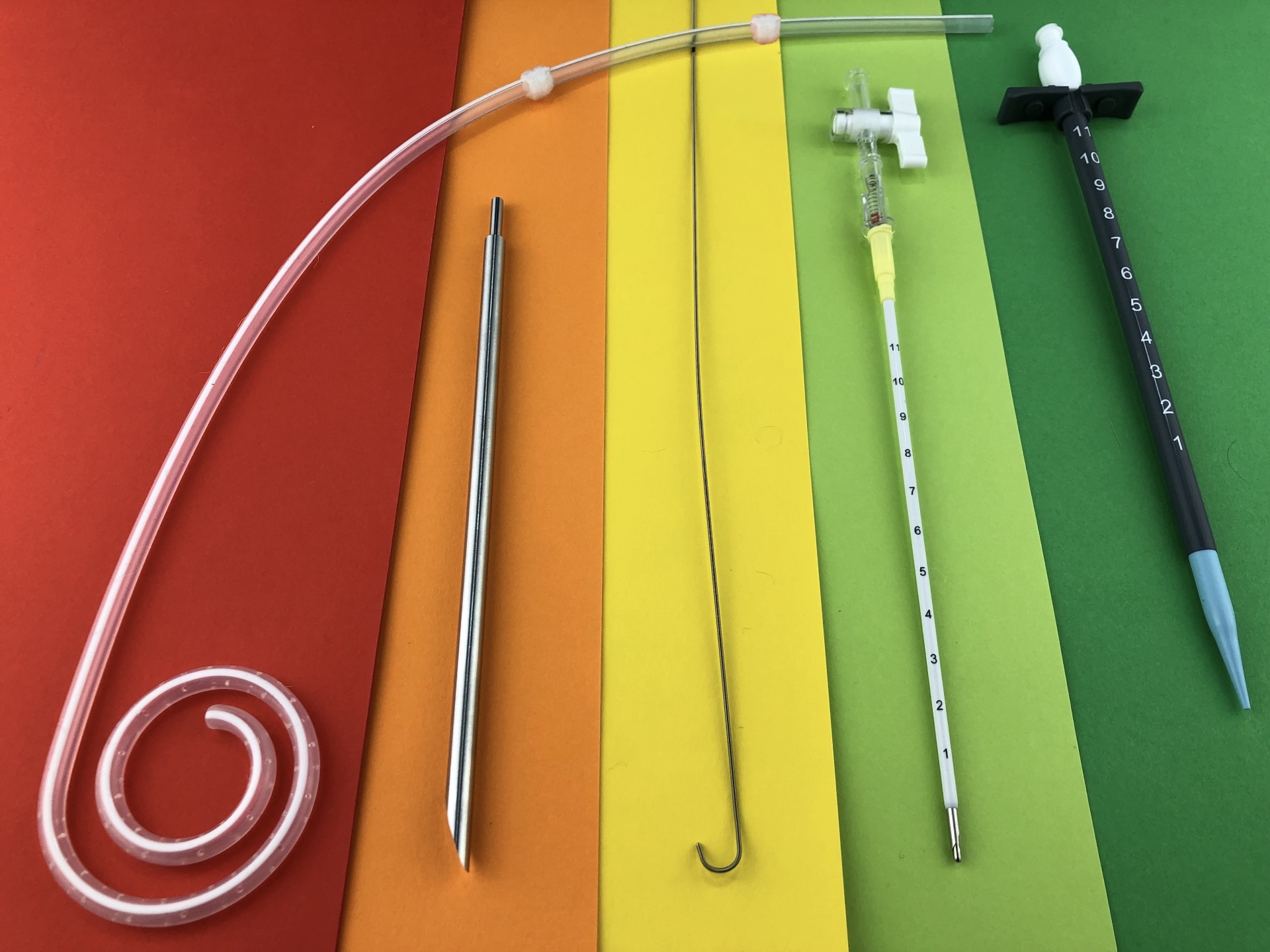
A peritoneal dialysis catheter insertion kit centered on the Entabi Device: a spring-loaded blunt-tip needle and a numerically marked sheath. The design brings together instruments for a Veress-needle approach to PD catheter insertion.
Design begins with how clinicians handle instruments, maintain access, and move through a procedure.
02
Education
We welcome conversations about technique, training needs, and opportunities to learn from clinical experience.
03
Local realities
Cost, training, supply, and regional requirements all matter. We want to understand the settings where the kit may be a practical fit.
For healthcare professionals. Contact us for current specifications, regional availability, regulatory status, and instructions for use. Product images are illustrative; confirm the current kit configuration with us.
WATCH & LEARN
The PD Pack. The practice kit.
Watch demonstrations of PD catheter placement, the practice kit, and the PD Pack.
ENTABI DEVICE
PD catheter placement demonstration
A procedural demonstration featuring the Entabi Device.
Educational material for healthcare professionals. Videos may show earlier kit configurations; use current instructions for use and local training and imaging requirements. Selecting a video loads YouTube. If an embedded player is unavailable, use its YouTube link.
INVESTIGATORS WORLDWIDE
Global PD Access Research Collaborative.
Help evaluate safe, reproducible PD catheter access across different clinical settings. Choose among nine research modules or propose a complementary study that fits your institution’s resources.
The framework moves from image-supported learning and competency assessment to studies of reduced imaging, with image-independent implementation considered where imaging is unavailable. Progression depends on evidence and local approval.
Safety, function, training, and cost require careful evaluation in the settings where a technique will be used.
01
Independent evaluation
External studies should be publishable whether findings are favorable, neutral, or unfavorable. Local investigators retain appropriate data control and scientific independence.
02
Training and imaging
Training, imaging decisions, competency standards, and rescue arrangements belong within local clinical governance and approved study protocols.
03
Research-kit access
Entabi Innovation coordinates study-kit requests centrally. Supply depends on availability, institutional and ethics approvals, regulatory requirements, and import/export requirements.
THE SURGEON BEHIND THE WORK
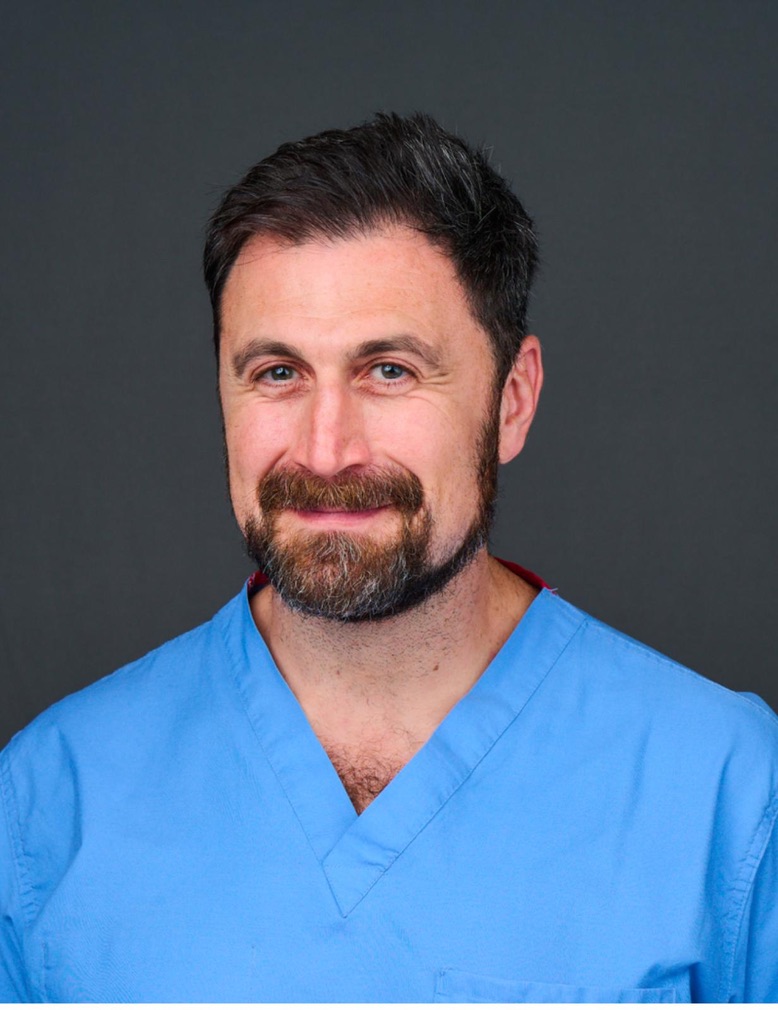
Fateh Entabi, MD, FACS.
Founder and CEO of Entabi Innovation. A general and acute-care surgeon at Adventist Health Tulare, Dr. Entabi also serves as Clinical Associate Professor and Clinical Clerkship Director of Surgery at California Health Sciences University College of Osteopathic Medicine.
His work connects clinical care, teaching, and device development. He is a member of ASDIN, serves on its Peritoneal Dialysis Committee, and is a member of ISPD. These affiliations do not imply endorsement of the company or its products.